Meta's New Ad Rules Won't Save You From a $120K AHPRA Fine
From July 22, 2026, Meta stopped auto-rejecting before/after and side-by-side imagery in cosmetic ads. AHPRA's advertising guidelines still ban that imagery outright for cosmetic procedures. A Meta-approved ad can still be a $120,000 breach.
 Vikas Thakur Founder, RockingWeb 6 min read
Key Takeaways
- Meta’s health and wellness ad policy shifted to claims-based review on July 22, 2026, no longer auto-rejecting before/after or side-by-side imagery in cosmetic and weight-loss ads
- AHPRA’s cosmetic procedure advertising guidelines, in effect since September 2, 2025, still ban before/after imagery outright for cosmetic procedures
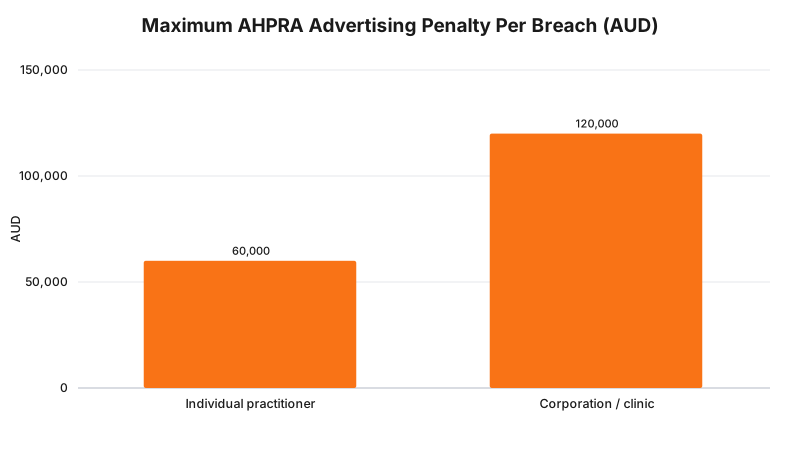
- The maximum penalty for an AHPRA advertising breach is $120,000 per breach for a corporation and $60,000 for an individual practitioner
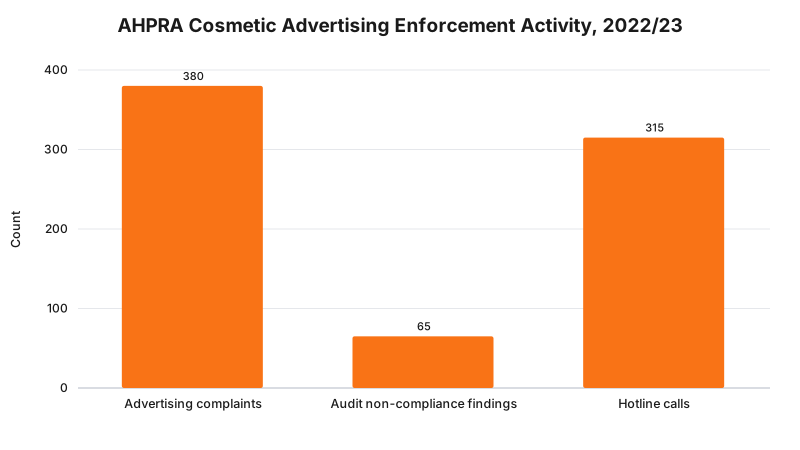
- AHPRA logged 380 advertising complaints in 2022/23, with 65 non-compliance findings from a targeted cosmetic advertising audit and 315 calls to its cosmetic surgery complaints hotline
- Complaints can be lodged anonymously and at no cost by anyone, including competitors
- A Meta-approved ad carries zero weight as a defence in an AHPRA advertising investigation
Meta will now let a before/after cosmetic ad through review that it would have auto-rejected a month ago. That is real, and it happened on July 22, 2026. What did not change: AHPRA’s guidelines, which have banned before/after imagery for cosmetic procedures since September 2, 2025, with fines up to $120,000 per breach.
Those two facts sitting next to each other create a specific, dangerous gap. A clinic owner who sees a before/after ad go live on Meta without a rejection notice has no reason to think anything is wrong. Meta approved it. It’s running. It’s getting clicks.
None of that matters to AHPRA. This guide walks through exactly what changed at Meta, what didn’t change at AHPRA, and how to check whether your current ads are sitting inside that gap right now.
What Actually Changed at Meta on July 22, 2026
Meta’s health and wellness advertising enforcement used to work off the product category. If an ad showed a weight-loss product, a supplement bottle, or a side-by-side photo, the rejection often followed automatically, regardless of what the ad actually said.
From July 22, 2026, that logic flipped. Meta’s review is now claims-based: before/after and side-by-side imagery for weight-loss and cosmetic ads is no longer automatically rejected. The ad only gets flagged if it’s paired with a prohibited claim, such as a statement of inferiority or a misleading efficacy promise. Pinched-fat imagery, sensational health claims, and a handful of other categories stay banned outright.
For a clinic that has been fighting Meta’s ad review for two years, this reads like relief. It isn’t. It’s a change to one gatekeeper, not the one that actually regulates cosmetic advertising in Australia.
Takeaway: Meta approving an ad now means less than it used to, because Meta’s approval was never the compliance bar that mattered for AHPRA-regulated clinics.
What Hasn’t Changed at AHPRA
AHPRA’s guidelines for advertising higher-risk non-surgical cosmetic procedures took effect September 2, 2025. They ban before/after imagery for cosmetic procedures outright, along with testimonials, naming Schedule 4 substances promotionally, and claims that create unreasonable expectations of benefit. Nothing about Meta’s July 2026 policy update touches any of that. AHPRA doesn’t reference Meta’s ad policy, and Meta’s ad policy doesn’t reference AHPRA.
That independence is the entire problem. A clinic that treats “Meta approved it” as a compliance signal is checking the wrong system. The National Law’s advertising provisions carry penalties up to $120,000 per breach for a corporation and $60,000 for an individual, and those penalties apply whether the ad ran on a billboard, a shopfront window, or a fully Meta-approved Instagram campaign.
Takeaway: AHPRA compliance and Meta ad approval are two unrelated checks. Passing one tells you nothing about the other.
Why AHPRA Enforcement Is Not Theoretical
AHPRA logged 380 advertising complaints in the 2022/23 financial year, according to its own Annual Report. A targeted audit specifically of cosmetic surgery advertising found 65 cases of non-compliance, and a new dedicated cosmetic surgery complaints hotline received 315 calls in its first partial year of operation. That enforcement activity predates the current before/after ban; the rules have only tightened since.
Every one of those complaints could be lodged anonymously, at no cost, by anyone, including a competitor. A rival clinic can screenshot a Meta-approved before/after ad and lodge a complaint before your campaign has finished its first day of spend.
Takeaway: the enforcement infrastructure that turns a before/after breach into a fine already exists and is already active. Meta’s policy update didn’t remove it.
What to Check on Your Own Ads Today
Run through this before assuming a live, Meta-approved ad is safe:
- Before/after or side-by-side imagery of a cosmetic procedure: banned under AHPRA regardless of Meta’s status.
- Testimonials, including video testimonials describing a “journey”: banned under AHPRA since September 2025.
- Naming a Schedule 4 substance (Botox, dermal filler brand names) in a promotional context: banned.
- Outcome claims or language that creates unreasonable expectations of benefit: banned.
If any of these appear in a currently running ad, its Meta approval status is irrelevant to your AHPRA exposure.
Takeaway: the AHPRA checklist above doesn’t change based on what Meta allows. Treat it as the actual compliance bar, every time.
FAQ
Does Meta’s July 2026 policy change mean before/after photos are AHPRA-compliant now?
No. Meta’s policy only controls what Meta itself will approve and run on its platforms. AHPRA’s advertising guidelines, which took effect September 2, 2025, ban before/after imagery for cosmetic procedures regardless of what any ad platform allows. The two systems are separate, and only one of them can fine you.
What’s the maximum penalty for an AHPRA before/after advertising breach?
Up to $120,000 per breach for a corporation and $60,000 per breach for an individual practitioner, under the National Law’s advertising provisions.
What exactly changed in Meta’s policy on July 22, 2026?
Meta moved from auto-rejecting before/after and side-by-side imagery in weight-loss and cosmetic ads to a claims-based review. The imagery itself is no longer an automatic rejection trigger; the ad is only flagged if it’s paired with a prohibited claim, such as an inferiority statement or a misleading efficacy promise.
How do I check if my clinic’s current Meta ads are AHPRA-compliant?
Hire RockingWeb to review your website and ad accounts. RockingWeb reviews every asset against the current advertising rules and flags breaches against the specific provision they fall under.
Get Your Ads Checked Against AHPRA Rules
RockingWeb reviews cosmetic clinic websites and Meta ad accounts against current AHPRA advertising rules and flags every breach against the specific provision it falls under.
Sources and References
Clikim - Meta Health & Wellness Ad Policy Update, July 2026: the July 22, 2026 claims-based review change
AHPRA - New guidelines for cosmetic procedures: the September 2, 2025 before/after and testimonial ban
AHPRA Advertising Complaints Hit 380 a Year: full breakdown of the 2022/23 enforcement figures cited above
Related reading:
- AHPRA-Compliant Meta Ads for Cosmetic Clinics: compliant ad copy templates and what still works
- AHPRA Advertising Fines for Cosmetic Clinics: the full penalty structure
- Cosmetic Clinic Websites: compliant website builds for AHPRA-regulated clinics
For ad accounts and websites that stay inside the rules regardless of what any platform allows, see ClinicPipeline or talk to us about your clinic’s marketing.
Vikas Thakur
Founder of RockingWeb. 16 years building for companies like TPG, iiNet and Monadelphous, now focused on websites and marketing that comply with AHPRA's advertising guidelines and still book patients.