16,800 Melanoma Cases in 2026: Dermatology Ad Rules in AU
An estimated 16,800 Australians will be diagnosed with melanoma in 2026, one every 30 minutes, according to Melanoma Institute Australia. Here is what that means for which pages a dermatology clinic website needs and what AHPRA allows the ads to say.
 Vikas Thakur Founder, RockingWeb 9 min read
On this page 9
Key takeaways
- An estimated 16,800 Australians will be diagnosed with melanoma in 2026, one every 30 minutes, according to Melanoma Institute Australia
- Melanoma is the third most common cancer overall in Australia, and the most common cancer for Australians aged 20 to 39
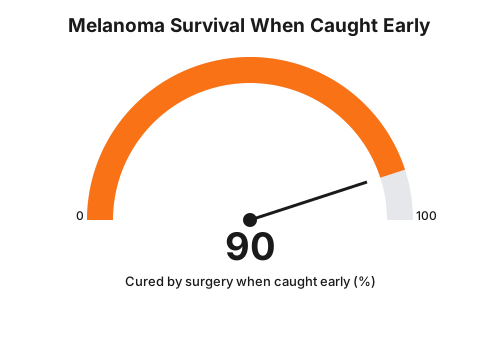
- If caught early, 90% of melanomas can be cured by surgery, and 95% are caused by overexposure to UV radiation
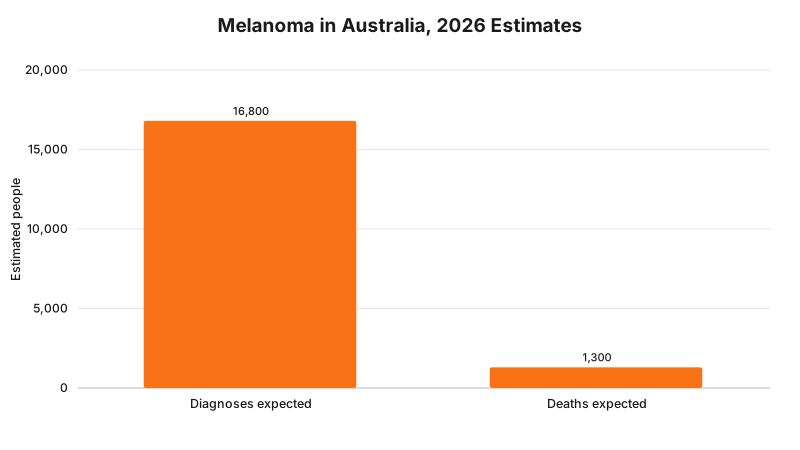
- An estimated 1,300 Australians will die from melanoma in 2026, one every 6 hours
- AHPRA’s guidelines for practitioners advertising non-surgical cosmetic procedures took effect September 2, 2025, and require real, unedited images plus a “results may vary” warning
- Under-18 advertising for non-surgical cosmetic procedures is banned outright, with a mandatory 7-day cooling-off period before treatment
- “Dermatologist” is a specialist title protected by law, available only to practitioners on the Medical Board of Australia’s Specialists Register
An estimated 16,800 Australians will be diagnosed with melanoma in 2026, one every 30 minutes, according to Melanoma Institute Australia. That single fact should decide the first landing page on any dermatology clinic website: the skin check.
Most dermatology clinics build their site around treatment menus instead. Acne page, eczema page, psoriasis page, a cosmetic services page bolted on at the end. None of that reflects how patients actually search, and none of it reflects what AHPRA lets a clinic say about the treatments that carry the highest risk.
This guide covers what the melanoma numbers mean for page priority, which advertising rulebook applies to which part of a dermatology practice, and what a compliant skin check or cosmetic treatment page can and cannot claim.
Why the Skin Check Page Should Come First
Melanoma is the third most common cancer overall in Australia and the single most common cancer among Australians aged 20 to 39, according to Melanoma Institute Australia. It ranks second among cancers in Australian men, after prostate cancer, and third in women, after breast and colorectal cancer. Australia has the highest melanoma rate in the world.
That combination, a young, digitally active at-risk population and a genuinely urgent condition, makes “skin check” or “mole check” the highest-intent search term a dermatology clinic will ever rank for. A patient searching that term is not browsing. They are worried about a specific mark on their skin, right now.
Most clinic websites treat the skin check as one line in a services list. It should be its own page, with its own booking path, because the cost of a slow or confusing booking flow on this page is different to every other page on the site.
Takeaway: build the skin check page first and give it the shortest, clearest path to a booking of anything on the site.
| Melanoma in Australia (2026 estimate) | Figure |
|---|---|
| Expected new diagnoses | 16,800 |
| Diagnosis frequency | 1 every 30 minutes |
| Expected deaths | 1,300 |
| Death frequency | 1 every 6 hours |
| National cancer ranking | 3rd most common overall |
| Ranking, ages 20 to 39 | 1st most common |
| Cure rate if caught early | 90% |
Source: Melanoma Institute Australia, Melanoma Facts.
Two Different Rulebooks, Depending on the Treatment
A dermatology practice usually offers two different kinds of service, and AHPRA regulates them differently.
Medical dermatology, skin cancer checks, eczema, psoriasis, acne, comes under AHPRA’s general advertising rules. Those rules require that advertising be accurate, not misleading, and supported by acceptable evidence.
Non-surgical cosmetic procedures, laser resurfacing, chemical peels, cosmetic injectables, come under a second, more detailed rulebook: the guidelines for practitioners who advertise higher-risk non-surgical cosmetic procedures, in effect since September 2, 2025. AHPRA has confirmed these guidelines apply to advertising by any registered health practitioner performing non-surgical cosmetic procedures, not just cosmetic physicians or nurses, which means a dermatologist offering injectables or resurfacing sits inside this rulebook for that part of the practice.
Treating both halves of a dermatology website under one set of assumptions is the most common way clinics end up non-compliant without realising it. RockingWeb can check a site page by page against the rulebook that actually applies to each one.
Takeaway: know which rulebook applies to each page on the site, because the skin check page and the cosmetic injectables page are not held to the same standard.
What Changed for Cosmetic Pages in September 2025
For any page advertising a non-surgical cosmetic procedure, three changes matter most.
First, images. Advertisements must use only real, unedited photos, and must not airbrush or otherwise edit an image in a way that misleads the public. Any advertisement using patient images must also carry a warning that results may vary between patients.
Second, testimonials. The guidelines strengthen the existing ban on using testimonials in advertising, specifically naming testimonials sourced from social media influencers as a target of the crackdown.
Third, under-18s. Advertising for non-surgical cosmetic procedures aimed at people under 18 is banned outright, and anyone under 18 considering a procedure must have a mandatory 7-day cooling-off period between their first consultation and any treatment.
AHPRA’s own framing of the change is blunt. Medical Board of Australia Chair Dr Susan O’Dwyer said the rules exist because “exploitative advertising has increased as fast as patient demand,” adding that “a filler is not a facial.” That is a useful line to keep in mind when reviewing any cosmetic page copy: if it reads like a beauty treatment rather than a clinical procedure, it is probably not compliant.
Takeaway: every cosmetic treatment page needs real photography, a results-may-vary disclosure, and zero testimonials, full stop.
The Protected Title Problem
“Dermatologist” is not a marketing term. It is a specialist title protected by law under the Medical Board of Australia’s specialist registration system. Only medical practitioners on the Specialists Register, typically Fellows of an AMC-accredited specialist college such as the Australasian College of Dermatologists, can legally use it.
This matters for a specific and common website mistake: a cosmetic clinic that employs a GP or nurse offering skin treatments and refers to its “dermatology team” or “in-house dermatologist” without that qualification on staff. It also matters for a genuine dermatology practice that expands into cosmetic work using visiting cosmetic nurses or injectors, if the site’s copy blurs who on the team actually holds the protected title.
Check every page that uses the word “dermatologist” against who is actually registered to hold that title. It is one of the fastest checks in a compliance review, and one of the easiest mistakes to fix once flagged.
Takeaway: audit every use of “dermatologist” on the site against the practitioner’s actual Specialists Register status, not their job title.
What This Means for Enquiry Quality
A compliant skin check page, built around accurate information rather than fear, tends to produce better enquiries than a page built to alarm. AHPRA’s general advertising standard, accurate, not misleading, and supported by acceptable evidence, cuts both ways: a clinic cannot promise a miracle cure, but it also should not exaggerate risk to manufacture urgency.
The better approach is specificity. State what a skin check actually involves, how long it takes, and what happens if something is found, rather than leading with statistics designed to frighten. Patients who book after reading a clear, accurate page arrive better informed about what to expect, which shortens the first consultation and reduces no-shows from people who booked on panic rather than genuine concern.
The same principle applies to cosmetic pages. A page that clearly states what a treatment does, what it does not do, and that results vary between patients will filter out enquiries based on unrealistic expectations before they reach the front desk. For a full build that gets this balance right across every service page, see compliant cosmetic clinic website builds.
Takeaway: accurate, specific copy produces better-qualified enquiries than urgency-driven copy, on both the medical and cosmetic sides of the site.
FAQ
What is the single most important page a dermatology clinic website needs?
A dedicated skin check or mole check landing page. Melanoma is the most common cancer among Australians aged 20 to 39 and the third most common cancer overall, according to Melanoma Institute Australia, which means skin checks carry the highest and most urgent search intent of any service a dermatology clinic offers.
Do AHPRA’s cosmetic procedure advertising rules apply to dermatologists?
Only to the parts of a dermatology practice that offer non-surgical cosmetic procedures, such as laser resurfacing, chemical peels or cosmetic injectables. AHPRA’s guidelines, in effect from September 2, 2025, apply to advertising by any registered health practitioner performing non-surgical cosmetic procedures, regardless of specialty. Medical dermatology, such as skin cancer checks and eczema treatment, is governed by AHPRA’s general advertising rules instead.
Can a clinic call its cosmetic injector a dermatologist if they are not one?
No. “Dermatologist” is a specialist title protected by law under the Medical Board of Australia’s specialist registration system. Only practitioners on the Specialists Register in dermatology, typically Fellows of the Australasian College of Dermatologists, can legally use the title.
What do AHPRA’s cosmetic procedure guidelines require of before/after images specifically?
Advertisements must use only real, unedited images and must not airbrush or otherwise edit images in a way that misleads the public. Where images are used, the advertisement must also carry a warning that results may vary between patients, and the guidelines strengthen the existing ban on using testimonials, including from social media influencers.
Get Your Dermatology Clinic Website Reviewed
RockingWeb reviews dermatology and cosmetic clinic websites page by page against the specific AHPRA rulebook that applies to each one, medical or cosmetic, and flags every gap with the provision it falls under.
Sources and References
Melanoma Institute Australia - Melanoma Facts: 16,800 expected 2026 diagnoses, 1,300 expected deaths, cancer ranking by age and sex, 90% early-detection cure rate, 95% UV causation figure
AHPRA - Putting patients first: New guidelines for cosmetic procedures, effective September 2, 2025, including the real-image, results-may-vary, testimonial and under-18 rules
AHPRA - Advertising hub: general principle that advertising for any regulated health service must be accurate, not misleading and supported by acceptable evidence
Medical Board of Australia - Specialist registration: confirms that specialist titles for practitioners on the Specialists Register are protected by law
Related reading:
- AHPRA Advertising Fines for Cosmetic Clinics: the penalty structure behind these rules
- AHPRA Website Compliance Checklist: a page-by-page self-audit
- Meta’s New Ad Rules Won’t Save You From an AHPRA Fine: why platform approval is not a compliance signal
For a dermatology or cosmetic clinic website built around what AHPRA actually allows, see ClinicPipeline or talk to us about your clinic’s marketing.
Vikas Thakur
Founder of RockingWeb. 16 years of experience from working at TPG, iiNet and Monadelphous, now building websites, software and digital marketing for local businesses in Rockingham and Perth.