16.1% of Aussies Delayed Dental Care Over Cost in 2024-25
16.1% of Australians delayed or skipped a dental visit due to cost in 2024-25, according to the ABS Patient Experience Survey released 18 November 2025. That is down from 17.6% in 2023-24, but still higher than the cost-delay rate for GP visits, specialist appointments or hospital care.
 Vikas Thakur Founder, RockingWeb 7 min read
On this page 9
- Key Takeaways
- The Real Cost Barrier: What ABS Found for 2024-25
- Dental Costs More to Access Than Almost Any Other Service
- Who Is Priced Out of the Dentist’s Chair
- What We Could Not Verify This Time
- What This Means for a Dental Practice Website
- FAQ
- Check Your Dental Practice’s Pricing and Compliance
- Sources and References
Key Takeaways
- 16.1% of Australians delayed or did not see a dental professional due to cost in 2024-25, down from 17.6% in 2023-24, per the ABS Patient Experience Survey
- Dental care’s cost-delay rate is more than double the 7.7% rate for GPs and higher than the 8.6% rate for medical specialists
- Only 53.9% of Australians saw a dental professional in the 12 months to 2024-25, barely up from 53.2% the year before
- People aged 35 to 44 face the steepest cost barrier at 22.2%, against just 3.3% for those aged 85 and over
- In the most disadvantaged areas, 23.1% delayed dental care over cost, more than double the 9.6% rate in the least disadvantaged areas
- Outer regional and remote Australians delayed dental care over cost at 19.6%, against 14.9% in major cities
- Mental health care is the only surveyed service Australians skip over cost more often than dental, at 19.7%
- No verified national total-dollar dental spending figure could be confirmed this session; AIHW’s expenditure report was unreachable
16.1% of Australians delayed or skipped a dental visit over cost in 2024-25. That is the Australian Bureau of Statistics’ own figure, published 18 November 2025 in its Patient Experience Survey. It is an improvement on 2023-24, when the rate sat at 17.6%. But dental care still carries a heavier cost barrier than a GP visit, a specialist appointment or a hospital stay, all of which score lower on the same measure. For a dental practice, that single number explains a lot: why enquiry volume tracks cost-of-living headlines, why a pricing page gets more scrutiny than any other page on the site, and why hiding fees loses a patient’s trust before it earns a booking. This post breaks down who is priced out, by how much, and what the pattern means for how a practice presents cost online.
The Real Cost Barrier: What ABS Found for 2024-25
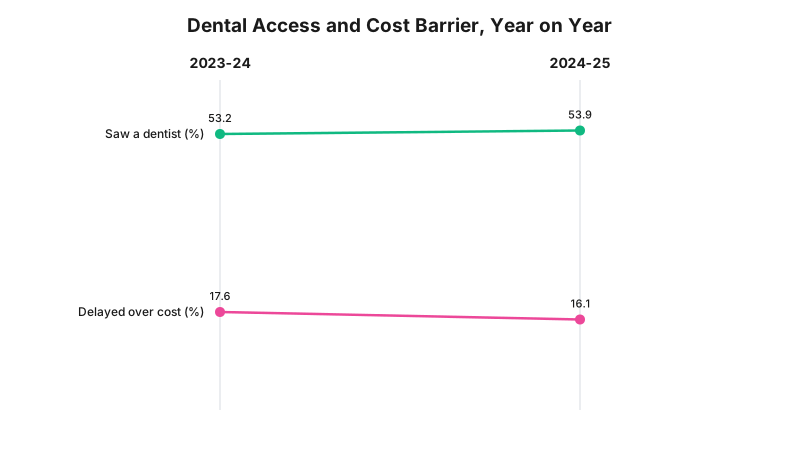
The ABS Patient Experience Survey asks a nationally representative sample of people aged 15 and over, drawn from private dwellings, whether cost stopped them from seeing a health professional they needed to see. For dental care, the answer in 2024-25 was 16.1%, against 17.6% in 2023-24. Usage moved the other way: 53.9% of Australians saw a dental professional in the 12 months to 2024-25, up slightly from 53.2% the year before.
Both numbers point the same direction: dental care is getting fractionally more accessible, not less. But a one-in-six cost-delay rate is still a large gap, and it sits well above every other mainstream health service the same survey measured.
| Health service | Cost-related delay, 2024-25 | Cost-related delay, 2023-24 |
|---|---|---|
| Mental health (any professional) | 19.7% | 20.4% |
| Dental professionals | 16.1% | 17.6% |
| Medical specialists | 8.6% | 9.8% |
| GPs | 7.7% | 8.8% |
| Prescription medication | 7.5% | similar to 2023-24 |
| Hospitals | 2.1% | 3.1% |
Takeaway: dental care improved year on year, but 16.1% of Australians still call cost the reason they didn’t get treated in 2024-25.
Dental Costs More to Access Than Almost Any Other Service
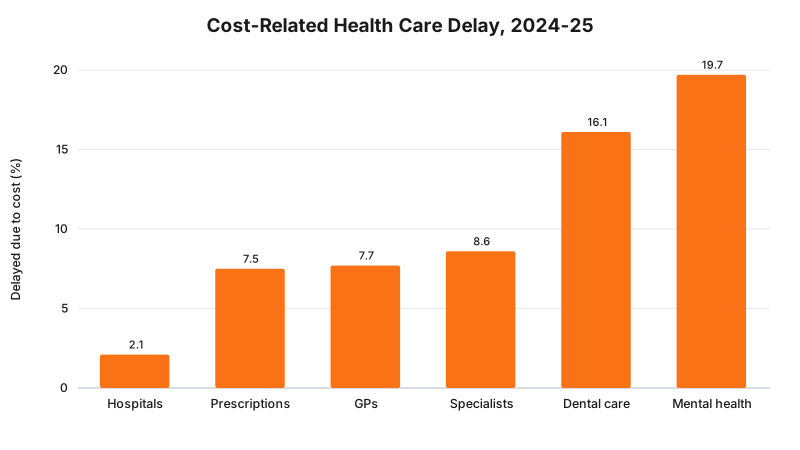
Line the services up and dental care sits second from the top, behind only mental health care. It runs more than double the GP rate and almost double the specialist rate. That gap has held for at least two years running, even as the dental figure itself improved.
The trend is moving the right way: cost-delay dropped 1.5 percentage points and usage rose 0.7 points between the two years. Both shifts are real but modest, the kind of movement that shows up in a headline release without changing the underlying picture: dental remains the hardest mainstream health service to afford.
Takeaway: dental care’s cost barrier eased slightly in 2024-25, but it is still roughly double the GP rate and second only to mental health care among the services the ABS tracks.
Who Is Priced Out of the Dentist’s Chair
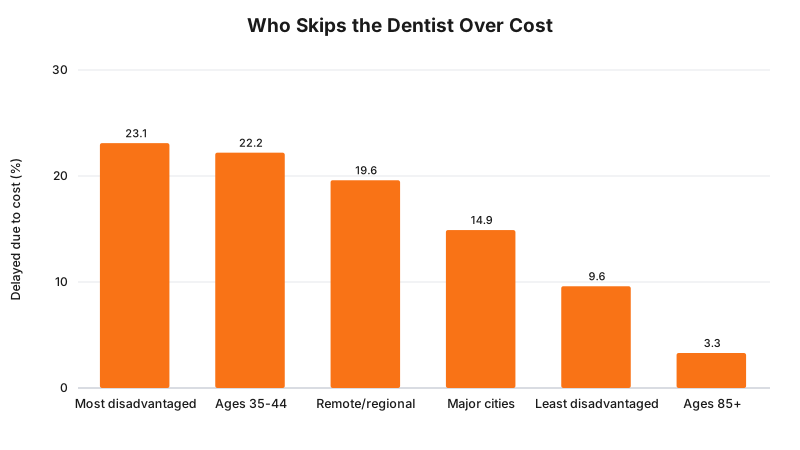
The national 16.1% figure hides a wide spread. People aged 35 to 44 reported the steepest cost barrier of any age group at 22.2%, against just 3.3% for people 85 and over, a group with far higher concession access.
Location and disadvantage matter just as much. People in the most socioeconomically disadvantaged areas delayed dental care over cost at 23.1%, more than double the 9.6% rate in the least disadvantaged areas. Outer regional and remote Australians delayed care at 19.6%, against 14.9% in major cities, a gap that reflects both cost and the practical difficulty of reaching a provider at all.
| Group | Cost-related dental delay, 2024-25 survey |
|---|---|
| Most disadvantaged areas | 23.1% |
| Ages 35 to 44 | 22.2% |
| Outer regional / remote | 19.6% |
| Major cities | 14.9% |
| Least disadvantaged areas | 9.6% |
| Ages 85 and over | 3.3% |
Takeaway: the national average hides a near-sevenfold gap between the least and most price-sensitive groups, from 3.3% to 23.1%.
What We Could Not Verify This Time
A post about dental spending should, ideally, carry a total national dollar figure: how much Australia spends on dental care each year, and how much of that comes out of a patient’s own pocket. AIHW’s Oral health and dental care in Australia report is normally the source for that number. It was unreachable throughout this research session, blocked by a Cloudflare security check that a standard fetch and a real headless browser both hit the same way.
Rather than reuse a figure we could not confirm ourselves, this post reports only what the ABS Patient Experience Survey verifies directly: access and cost-delay rates, not total spend. If AIHW becomes reachable again, that expenditure breakdown deserves its own update.
Takeaway: where a figure could not be independently confirmed, this post says so rather than guessing.
What This Means for a Dental Practice Website
A 16.1% national cost-delay rate, rising to 23.1% in disadvantaged areas, means price sensitivity is not a fringe concern for a dental website. It is the default state of a meaningful share of the audience landing on a pricing page.
Two changes follow. Published, plain-language pricing beats a “contact us for a quote” form for the patients most likely to abandon an enquiry over cost uncertainty. And that pricing needs to sit inside the advertising rules that govern regulated dental practices, not outside them: what a website can and cannot say about pricing, outcomes and comparisons is covered in our guide to AHPRA advertising rules for cosmetic dentistry, and RockingWeb checks a specific site against them.
The same logic extends past dentistry to the wider cosmetic clinic sector, where RockingWeb builds AHPRA-compliant clinic websites designed around exactly this pattern: transparent, compliant pricing pages that convert the price-sensitive majority instead of losing them at the enquiry form.
Takeaway: with one in six Australians citing cost as a reason they skipped dental care, a pricing page that hides its numbers is filtering out patients before they ever ask a question.
FAQ
What percentage of Australians delayed dental care due to cost in 2024-25?
16.1%, according to the ABS Patient Experience Survey, released 18 November 2025. That is down from 17.6% in 2023-24.
Is dental care harder to afford than seeing a GP or a specialist?
Among mainstream health services, yes. The ABS found 16.1% of people delayed or skipped dental care over cost in 2024-25, against 8.6% for medical specialists, 7.7% for GPs and 2.1% for hospital care. Only mental health care, at 19.7%, scored higher.
Which Australians are most likely to skip the dentist because of cost?
People aged 35 to 44 (22.2%), people in the most socioeconomically disadvantaged areas (23.1%) and people in outer regional or remote Australia (19.6%) all reported cost-related dental delays well above the national average.
How much do Australians spend on dental care in total each year?
There is no single reachable, verified national dental spending figure for this report. AIHW, the usual source for total dental expenditure data, was unreachable during research (blocked by a Cloudflare security check). The closest verified figure is the ABS cost-barrier data above, which measures access, not total spend.
Check Your Dental Practice’s Pricing and Compliance
If one in six Australians is weighing cost before they book, a website that buries its pricing or drifts outside AHPRA’s advertising rules is losing patients twice over. RockingWeb checks a dental practice’s website and ad accounts against current rules and flags exactly where pricing, claims or imagery need to change.
Talk to us about your practice’s website and pricing pagesSources and References
- Australian Bureau of Statistics - Patient Experiences in Australia: Summary of Findings, 2024-25 (released 18 November 2025): cost-related delay and usage rates for dental, GP, specialist, hospital, mental health and prescription medication services, plus age, disadvantage and remoteness breakdowns
Related reading:
- AHPRA Advertising Rules for Cosmetic Dentistry: what a dental practice can and cannot say in its advertising
- Dental Industry Australia: Market Statistics: total industry size and workforce data from IBISWorld and AIHW
- Cosmetic Clinic Websites: compliant website builds for AHPRA-regulated practices
For a dental or cosmetic clinic website built around transparent, compliant pricing, see ClinicPipeline or talk to us about your practice’s marketing.
Vikas Thakur
Founder of RockingWeb. 16 years building for companies like TPG, iiNet and Monadelphous, now focused on websites and marketing that comply with AHPRA's advertising guidelines and still book patients.