TGA Flags 3rd Counterfeit Botox Batch, 201 Days On
The TGA's 27 January 2026 safety alert confirms a third fake Botox batch, C8478C4, entering Australia 201 days after its first 2025 warning. Most cosmetic clinic websites give a patient no way to check genuine product sourcing before they book.
 Vikas Thakur Founder, RockingWeb 8 min read
Key takeaways
- The TGA published a new safety alert on 27 January 2026 confirming continuing imports of counterfeit Botox vials into Australia
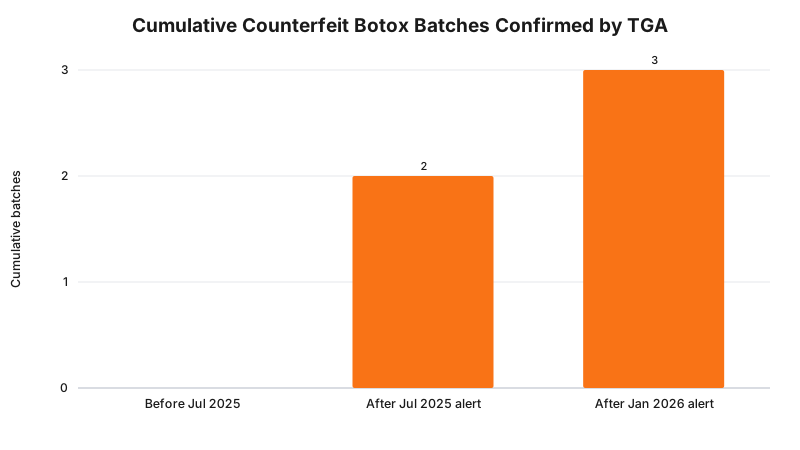
- This is the TGA’s second such alert. The first ran on 10 July 2025, flagging two unrelated cases and batch numbers C7211C4 and HA 33946
- The January 2026 alert adds a third confirmed counterfeit batch, C8478C4, confirmed fake directly by manufacturer AbbVie
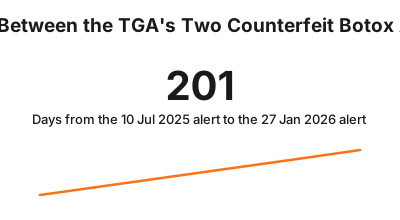
- That’s 201 days between the TGA’s first and second counterfeit Botox alerts, and the TGA describes the situation as continuing, not closed
- All three confirmed batches were sold via overseas websites, not through an Australian pharmacy, in both alerts
- Botulinum toxin products are prescription-only medicines in Australia, and counterfeit product cannot be imported under the Personal Importation Scheme under any circumstances, even with a valid prescription
- Only the approved ARTG sponsor or its authorised agent can lawfully import cosmetic injectables for commercial supply, including administering them in treatment
- The TGA links counterfeit and parallel-imported injectables internationally to acquired botulism infection, tied to broken cold chain storage during import
The TGA’s most recent counterfeit Botox alert, published 27 January 2026, confirms a third fake batch, C8478C4, entering Australia 201 days after its first warning. Most cosmetic clinic websites give a patient no way to verify genuine product sourcing before they book.
C8478C4. That’s the batch number the TGA and Botox manufacturer AbbVie confirmed as fake on 27 January 2026, the third counterfeit batch flagged since the regulator’s first warning. On 10 July 2025, the TGA reported two unrelated cases of counterfeit Botox stopped at the border, batch numbers C7211C4 and HA 33946. Then, 201 days later, a third batch turned up. Every one of them was packaged to look like genuine Allergan-branded Botox and sold through an overseas website, not an Australian pharmacy. Here’s the uncomfortable part for a clinic owner: this isn’t a closed case. The TGA calls it continuing. A patient booking an anti-wrinkle treatment today has no way to check, on your site, whether your clinic’s product came from the approved supplier chain or the same kind of channel the TGA keeps warning about. Below is what the TGA has actually confirmed, and what’s missing from most cosmetic clinic websites that would close that gap.
What the TGA has actually confirmed
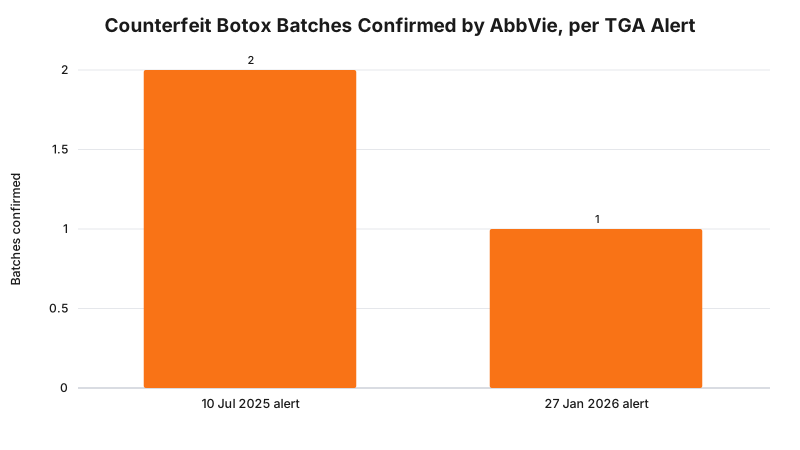
Two separate safety alerts, seven months apart, both describing the same problem. On 10 July 2025, the TGA reported two unrelated cases of counterfeit injectable botulinum toxin stopped at the Australian border, packaged to look like genuine Botox made by Allergan, an AbbVie company. AbbVie confirmed the batch numbers, C7211C4 and HA 33946, as not genuine. Packaging inconsistencies gave the counterfeits away: typographic errors, incorrect spacing, wrong bolding, spelling mistakes.
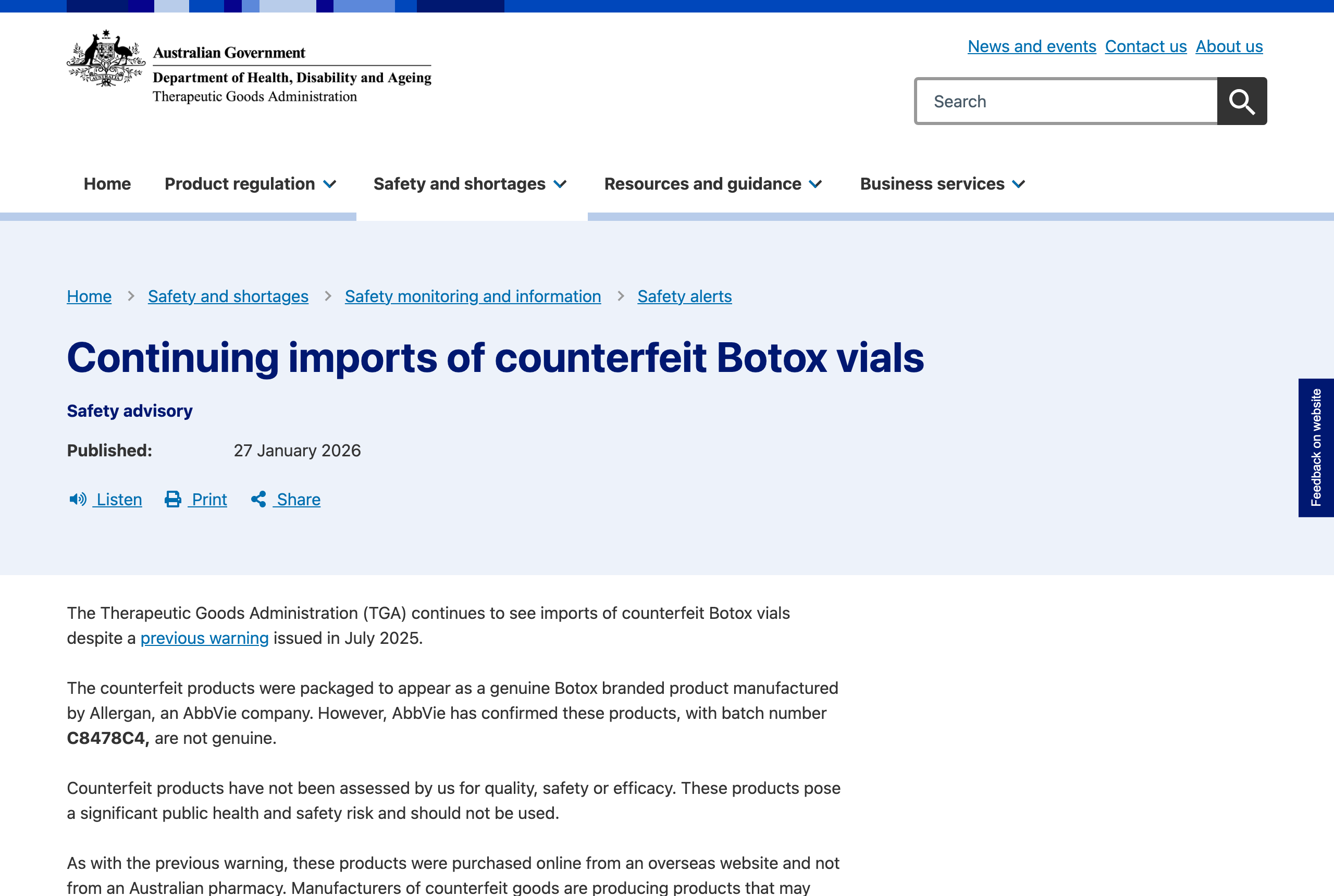
On 27 January 2026, the TGA published a follow-up. Despite the July warning, it continues to see imports of counterfeit Botox vials. A third batch, C8478C4, joined the list, again confirmed fake by AbbVie, again packaged to appear genuine. Both alerts state the same origin: purchased online from an overseas website, not obtained from an Australian pharmacy.
| Alert date | Batch number(s) confirmed fake | Source |
|---|---|---|
| 10 July 2025 | C7211C4, HA 33946 | Overseas website |
| 27 January 2026 | C8478C4 | Overseas website |
Takeaway: the TGA hasn’t described a single incident it closed. It has described the same failure mode showing up a second time, 201 days later, with a new batch number attached.
Why this isn’t a closed incident
The TGA’s own language matters here. The January 2026 page is titled “Continuing imports of counterfeit Botox vials,” not a recall notice or a one-off warning. It states plainly that the TGA “continues to see imports of counterfeit Botox vials despite a previous warning issued in July 2025.” That’s a regulator telling the industry the first warning didn’t stop the problem.
Three details from the TGA’s guidance apply directly to any clinic offering anti-wrinkle treatments, regardless of whether it has ever touched a counterfeit product:
- Botulinum toxin is prescription-only in Australia. Even a patient with a valid prescription cannot lawfully import counterfeit product under the Personal Importation Scheme, under any circumstances.
- Only the approved ARTG sponsor, or its authorised agent, can lawfully import cosmetic injectables for commercial supply. That includes the sale, administration or application of the product in treatment, not just the physical import.
- Cold chain failure is a real clinical risk, not just a paperwork issue. The TGA links parallel-imported and counterfeit injectables internationally to acquired botulism infection, a severe adverse event tied to products that were not transported under proper cold chain storage.
Takeaway: the TGA isn’t describing a rare edge case. It’s describing a supply channel that keeps reappearing, with real clinical consequences attached to the products themselves, not just the paperwork behind them.
The gap on most clinic websites
Here’s where this stops being a supply chain story and becomes a website one. A patient researching an anti-wrinkle clinic today can compare prices, read reviews and check opening hours in seconds. What they almost never find on a clinic’s own site is any statement about where the product actually comes from. Three gaps show up on page after page:
- No supplier or sponsor disclosure. Nothing naming the ARTG-listed sponsor the clinic sources from, or confirming the product is the version approved for the Australian market rather than a parallel import.
- No link to how a patient could check. The TGA’s own ARTG search and its “report a problem” page are both public. Almost no clinic site links to either.
- Generic sourcing language that reads as reassurance but confirms nothing. Phrases like “premium range” or “professionally sourced” don’t tell a patient, or a regulator, anything checkable.
None of this is about diagnosing whether any specific clinic has a counterfeit product problem. It’s about whether the site gives a patient, or an investigator, anything to verify at all. A free compliance read of your site checks exactly this kind of gap alongside the advertising rules clinics already know to watch for.
Takeaway: the TGA has published two alerts on the same problem in 201 days. Most clinic websites still say nothing about how a patient could tell the difference.
What a website can actually show
This is a website fix, not a clinical one, and not a substitute for a clinic’s own supplier due diligence. Three things a clinic site can realistically add:
- Name the approved sponsor. State which ARTG-listed sponsor or authorised agent the clinic sources its injectable products from, in plain language on the treatment or about page.
- Link to the TGA’s public register. A direct link to the TGA’s ARTG search lets a patient, or a journalist, confirm a product’s approval status without asking the clinic first.
- Add a visible route to report a concern. Linking to the TGA’s own reporting channel (phone, online form, or email) signals the clinic takes counterfeit risk seriously rather than treating it as someone else’s problem.
RockingWeb builds cosmetic clinic websites with this kind of supplier transparency built in from the start, not bolted on after a regulator’s alert makes it look overdue.
Takeaway: none of these three fixes need a new supplier relationship. They need a website that says out loud what most clinics already do quietly.
Frequently asked questions
Is this a new, single counterfeit Botox incident? No. The TGA’s January 2026 alert describes continuing imports, not a new closed incident. It follows a July 2025 alert about the same problem, 201 days apart.
Does this mean a specific clinic used counterfeit product? No. The TGA’s alerts describe products purchased from overseas websites, not from an Australian pharmacy or an approved supply chain. They don’t name or implicate any specific clinic.
Can a patient legally import their own Botox with a prescription? For genuine prescription-only medicines, in limited circumstances, yes. Counterfeit products cannot be imported under the Personal Importation Scheme under any circumstances, even with a valid prescription, per the TGA’s own guidance.
Show Patients Your Supply Chain Is Clean
Want a website that shows patients your product sourcing is above board? Talk to RockingWeb about an AHPRA-ready clinic site built with supplier transparency from day one.
Sources and References
- Therapeutic Goods Administration, “Continuing imports of counterfeit Botox vials,” safety advisory, published 27 January 2026. tga.gov.au. Date checked: 23 August 2026. Source for the 27 January 2026 publish date, the batch number C8478C4, the reference to the July 2025 previous warning, the overseas-website sourcing detail, the Personal Importation Scheme exclusion, the ARTG sponsor requirement, and the cold chain/botulism risk statement.
- Therapeutic Goods Administration, “Counterfeit Botox vials detected,” safety advisory, published 10 July 2025. tga.gov.au. Date checked: 23 August 2026. Source for the 10 July 2025 publish date, the two unrelated border cases, the batch numbers C7211C4 and HA 33946, and the packaging inconsistency details.
Vikas Thakur
Founder of RockingWeb. 16 years building for companies like TPG, iiNet and Monadelphous, now focused on websites and marketing that comply with AHPRA's advertising guidelines and still book patients.