

Composite Veneers Cost $250 to $1,500 a Tooth in 2026
Composite veneers cost between $250 and $1,500 per tooth at the Australian practices we checked directly in 2026, a 6-fold gap for the same procedure. We fetched pricing from five real practice and pricing-guide sites and found no single published national average.
 Vikas Thakur Founder, RockingWeb 9 min read
On this page 9
- Key Takeaways
- What Composite Veneers Actually Cost Per Tooth
- Why There Is No National Average to Compare Against
- What a Full Composite Smile Makeover Costs
- Does Insurance Cover Any of It?
- What This Means for a Dental Practice’s Website
- FAQ
- Get a Compliant Pricing Page That Actually Converts
- Sources and References
Key Takeaways
- Composite veneers cost $250 to $1,500 per tooth across the five Australian sources we checked directly in 2026, a 6-fold gap between the cheapest and priciest quote
- Alphington Dental Care (Melbourne) quotes composite veneers from $250 to $800 per tooth, with a stated lifespan of 4 to 7 years
- 123 Dental (Perth) quotes $500 to $1,500 per tooth, and prices a 6-to-10-veneer composite smile makeover at $2,700 to $12,000
- ArtSmiles prices a 10-veneer composite case at $6,000, against $14,770 for the same case in porcelain or zirconia
- Going Rate’s independent cost guide separates direct chairside composite ($400 to $900 per tooth) from lab-made indirect composite ($700 to $1,200 per tooth), a distinction most pricing pages skip
- The Australian Dental Association’s National Dental Fee Survey exists but sits behind a members-only login. There is no publicly published national average fee for composite veneers
- Medicare covers $0 of composite veneer treatment under any circumstance
Composite veneers cost $250 to $1,500 per tooth at the Australian practices we checked directly in 2026. That is not a typo. It is a 6-fold gap between the cheapest published quote (Alphington Dental Care, Melbourne) and the most expensive (123 Dental, Perth, and the directory site Compare Dentists), for what is nominally the same procedure. No government body, health fund or industry association publishes a national average fee for composite veneers, which is exactly why that gap can exist without anyone correcting it. We fetched pricing directly from five practice and pricing-guide sites rather than trusting a search snippet, checked what a full smile makeover costs against the porcelain alternative, and looked at what actually happens to that price once you factor in how long the material lasts. Here is what the published numbers actually show, and what a clinic’s own pricing page needs to get right under the current advertising rules.
What Composite Veneers Actually Cost Per Tooth
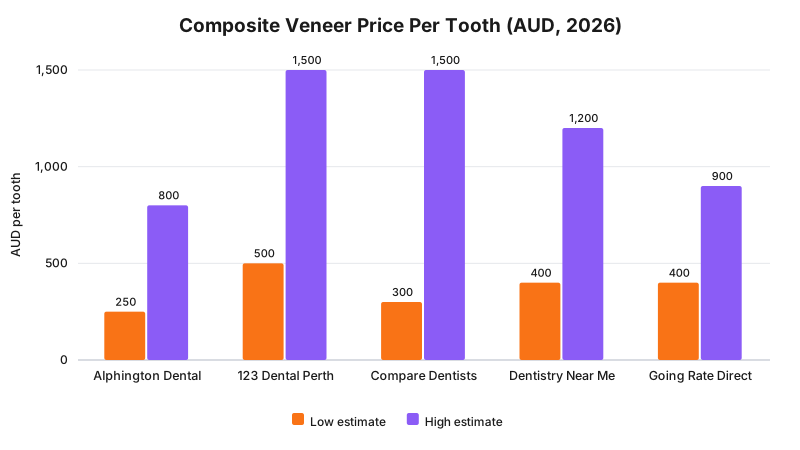
We checked five sources directly: two real dental practices and three independent pricing guides. Alphington Dental Care, a Melbourne practice, quotes composite veneers at $250 to $800 per tooth. 123 Dental, a Perth practice, quotes $500 to $1,500. The independent guides land in between: Compare Dentists cites $300 to $1,500, Dentistry Near Me cites $400 to $1,200, and Going Rate cites $400 to $900 for chairside direct composite specifically.
That last distinction matters and most pricing pages skip it. Direct composite is sculpted onto the tooth chairside, in one visit. Indirect composite is fabricated in a lab, like a thin porcelain veneer, but still made of resin rather than ceramic. Going Rate prices indirect composite separately, at $700 to $1,200 per tooth, meaningfully above its direct-composite range.
Takeaway: a $500 quote and a $1,500 quote can both be honest, correct prices for composite veneers. Ask whether the quote is for direct or indirect composite before comparing it to anything else.
Why There Is No National Average to Compare Against
Compare Dentists states it plainly on its own pricing page: “there are no set dental fees in Australia” and each practice sets its own. We checked whether that is really true. The Australian Dental Association does run a National Dental Fee Survey, and it exists, but the actual page sits behind a members-only login. We could not access a single published figure from it, and neither can a patient comparing quotes.
That gap is why five legitimate sources can publish five different ranges for the same procedure without any of them being wrong. Price depends on the resin brand and layering technique used, the dentist’s experience with cosmetic bonding, how much chair time the case needs, and simple location and overhead differences between a CBD practice and a suburban one.
Takeaway: without a public fee schedule, the only number that means anything is the written quote from the practice actually doing the work, not a range published anywhere else, including this post.
What a Full Composite Smile Makeover Costs
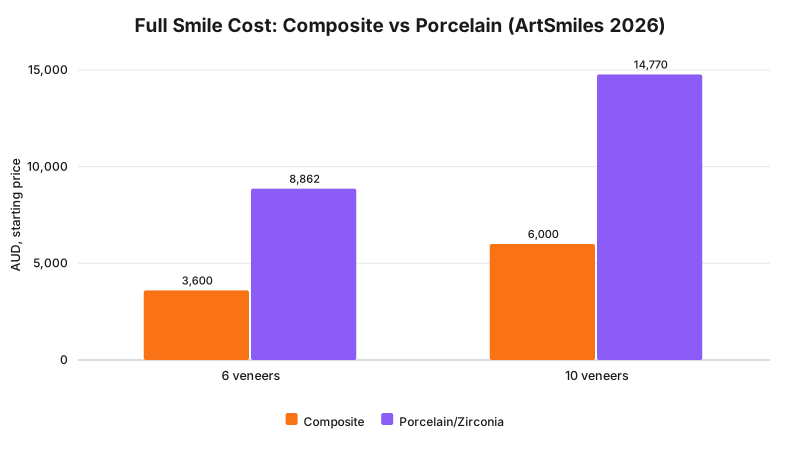
ArtSmiles, a Gold Coast and Sydney cosmetic dental group, publishes exact starting prices by case size: a 6-veneer composite smile makeover starts at $3,600, a 10-veneer case at $6,000. The same case sizes in porcelain or zirconia start at $8,862 and $14,770. On ArtSmiles’ own numbers, composite runs at roughly 40% of the porcelain price for the same case.
123 Dental’s separate pricing guide tells a different story at the top end. It prices a 6-to-10-veneer composite smile makeover at $2,700 to $12,000, a range whose upper bound sits close to ArtSmiles’ $14,770 porcelain figure for the same case size. The two practices are not contradicting each other; they are simply pricing different resin systems and case complexity into the same “composite” label.
Takeaway: “composite is the cheap option” holds at the low end of the published ranges and stops holding at the high end. Get a written quote for the specific case size and material tier before assuming composite saves you money.
Does Insurance Cover Any of It?
Medicare does not fund composite veneers, or any cosmetic dental procedure, under any circumstance. For private extras cover, we went looking for a specific published benefit amount and could not find one. Bupa’s own veneer campaign page states cover is available “on family membership” with “extras cover when taken with hospital cover,” but the only firm detail given is that “yearly limits, fund rules and waiting periods apply.” No dollar figure is published anywhere on the page.
Takeaway: budget for composite veneers as an out-of-pocket cost and confirm any extras benefit with your specific fund before you book, not after.
What This Means for a Dental Practice’s Website
A six-fold price gap between practices makes a clinic’s own pricing page more valuable, not less. A visitor comparing $500 against $1,500 with no context has no reason to trust either figure or to enquire. Publishing a clear price range, with a plain explanation of what changes the number (direct versus indirect composite, case size, material tier), turns a vague quote into a page that answers the visitor’s actual question before they pick up the phone.
AHPRA’s advertising guidelines do not ban publishing a price list. What they restrict is pairing that price with a before/after image, a testimonial, or an outcome claim like “flawless smile makeover.” A practice can publish “composite veneers from $500 per tooth” and describe what the procedure involves; it cannot pair that price with a photo gallery of results. Our breakdown of AHPRA’s advertising rules for cosmetic dentistry covers exactly where that line sits.
The booking flow matters just as much as the number on the page. A pricing page that ends in a phone number, rather than an online enquiry form pre-filled with the treatment the visitor was just reading about, loses a share of exactly the price-comparing visitors this data shows exist. If your practice’s pricing page and booking flow have not been reviewed against the current advertising rules, RockingWeb can flag what needs to change.
Takeaway: a transparent, compliant price range converts better than a vague one, and it is also the version of your pricing page that will not draw an AHPRA complaint.
FAQ
How much do composite veneers cost per tooth in Australia in 2026?
Between $250 and $1,500 per tooth, based on published pricing we checked directly from five Australian dental practice and pricing-guide sites in 2026. Alphington Dental Care in Melbourne quotes the low end at $250; 123 Dental in Perth and Compare Dentists both quote up to $1,500. There is no single published national average.
Why do composite veneer prices vary so much between practices?
There is no set fee schedule for dental work in Australia. The Australian Dental Association runs a National Dental Fee Survey, but it sits behind a members-only login with no public figures. Each practice sets its own price based on the resin system used, the dentist’s experience, chair time and location, which is why the same procedure can cost 6 times more at one practice than another.
Is a full smile makeover cheaper with composite than porcelain veneers?
Usually, but not always by the margin you would expect. ArtSmiles prices a 10-veneer composite case at $6,000 against $14,770 for porcelain or zirconia, a clear gap. But 123 Dental’s 2026 pricing guide puts the top end of a 6-to-10-veneer composite case at $12,000, which sits close to ArtSmiles’ porcelain price for the same case size.
Does private health insurance or Medicare cover composite veneers?
Medicare does not fund cosmetic dental procedures. For private extras cover, we could not find a published dollar figure for veneer benefits. Bupa’s own veneer page states cover is subject to fund rules, waiting periods and yearly maximums, without naming an amount, so checking your specific policy before booking is the only reliable step.
Get a Compliant Pricing Page That Actually Converts
RockingWeb builds cosmetic clinic and dental websites for practices in AHPRA-regulated niches, with pricing pages that stay inside the current advertising rules while still answering the question every visitor actually has: what will this cost me. If your pricing page, booking flow or ad accounts have not been reviewed against the current rules, get in touch.
Talk to us about a compliant pricing page and booking flow
Sources and References
- Alphington Dental Care - composite veneer price per tooth ($250-$800) and stated 4 to 7 year lifespan
- 123 Dental - composite veneer price per tooth ($500-$1,500) and 6-to-10-veneer smile makeover range ($2,700-$12,000)
- Compare Dentists - secondary/directory source, composite price range ($300-$1,500) and “no set dental fees in Australia” statement
- Dentistry Near Me - secondary/directory source, composite price range ($400-$1,200), reviewed June 2026
- ArtSmiles - starting composite price ($600/tooth) and 6/10-veneer composite versus porcelain case pricing
- Going Rate - secondary source, direct composite ($400-$900) versus indirect/lab composite ($700-$1,200) price distinction
- Australian Dental Association - National Dental Fee Survey page, confirmed members-only, no public figures
- Bupa - veneer extras cover page, no published benefit dollar figure
Related reading:
- Veneers Cost Australia: State-by-State Price Data: a separate check of city-by-city pricing claims
- Porcelain vs Composite Veneers: Cost and Lifespan Data: the survival-rate research behind the lifespan numbers
- AHPRA Advertising Rules for Cosmetic Dentistry Australia: what a dental practice can and cannot publish about outcomes
- Cosmetic Clinic Websites: compliant website builds for AHPRA-regulated dental practices
For a pricing page and booking flow built to convert without breaching the current rules, see ClinicPipeline or talk to us about your practice’s website.
Vikas Thakur
Founder of RockingWeb. 16 years building for companies like TPG, iiNet and Monadelphous, now focused on websites and marketing that comply with AHPRA's advertising guidelines and still book patients.
![Porcelain vs Composite Veneers: Cost & Lifespan Data [2026]](/assets/ahpra-advertising-fines-australia-CEjJnmEl.png)

![Dental Implant Cost Australia: Full Price Breakdown [2026]](/assets/ahpra-compliant-meta-ads-L0i9yo7-.png)