Dental Checkup Cost Australia: Average Price Data 2026
A standard Australian dental check-up, scale and clean, and fluoride treatment costs $218 on average in 2026, built from three separate item-code averages published by Private Healthcare Australia. First-visit pricing swings from $279 in Queensland to $364 in the ACT.
 Vikas Thakur Founder, RockingWeb 8 min read
Key Takeaways
- A comprehensive oral examination (item 011) costs $66 on average across Australia, with patients paying $19 out of pocket after private health insurance benefits, per Private Healthcare Australia’s 2023-24 claims data
- A periodic oral examination (item 012), the standard six-monthly check-up, averages $61, with a $18 average out-of-pocket cost
- A general scale and clean (item 114) is the single most-claimed dental item in the country: 7.63 million services funded by private health insurance in 2023-24, averaging $122 per visit
- Stack an exam, scale and clean, and fluoride treatment together (items 012 + 114 + 121) and the combined average bill runs to $218
- A first dental visit costs $364 on average in the ACT, the most expensive region in the country, against $279 in Queensland, one of the cheapest, per Cleanbill’s analysis of 6,268 Australian clinics
- Almost a quarter of Australian dental clinics offer a discounted new-patient check-up, averaging $222 nationally, well below the standard $297 first-visit price
- Item 022 X-rays average $45 per film, and a full-mouth panoramic X-ray (item 037) averages $115
- Private health insurance covers roughly 68 to 76% of the charged fee on routine check-up items, leaving the rest as the patient’s out-of-pocket cost
A standard dental check-up in Australia, combining a periodic oral exam, a scale and clean, and a fluoride treatment, costs $218 on average in 2026. That figure comes from stacking three separately published item-code averages from Private Healthcare Australia’s analysis of 2023-24 private health insurance claims data, not a single quoted “check-up price”. Here’s the thing: no single official body publishes one all-in check-up fee. The real pricing lives buried inside individual item numbers, and most patients never see the breakdown.
This post pulls apart exactly what a check-up costs item by item, using the item numbers dentists actually bill against, then lays out where that price swings hardest by region. If you run a practice, this is the pricing data your patients are already comparing you against.
What a Dental Check-Up Actually Costs, Item by Item
Every dental bill in Australia is built from item numbers, standardised billing codes published in the Australian Schedule of Dental Services and Glossary. A “check-up” isn’t one item, it’s usually two or three billed together: an oral examination, a scale and clean, and sometimes a fluoride treatment or X-ray.
Private Healthcare Australia’s 2023-24 consumer factsheet, built from its analysis of the GT-Dental data collection of private health insurance claims, is the clearest public breakdown of what each of those items actually costs.
| Item number | Service | Average treatment cost | Average out-of-pocket |
|---|---|---|---|
| 011 | Comprehensive oral examination | $66 | $19 |
| 012 | Periodic oral examination | $61 | $18 |
| 013 | Limited oral examination | $56 | $21 |
| 114 | General scale and clean | $122 | $39 |
| 121 | Fluoride treatment | $35 | $9 |
| 022 | Small X-ray (per film) | $45 | $14 |
| 037 | Panoramic X-ray (OPG) | $115 | $39 |
Source: Private Healthcare Australia, “Typical Prices of Dental Care” consumer factsheet, PHA’s analysis of GT-Dental data collection, 2023-24 figures.
Item 114, the general scale and clean, is the highest-volume dental item in the country by a wide margin. Private health insurance funded 7.63 million of them in 2023-24, more than any exam code, X-ray, or filling. That single item generated $929.8 million in total dental charges nationally in one year.
Item 012, the routine periodic exam that most patients book every six months, sits close behind in volume at 6.58 million funded services, but it’s a smaller line item at $61 average cost. Item 011, the comprehensive first-visit exam, is billed far less often, just 1.69 million times, because it’s typically a once-off for new patients rather than a repeat booking.
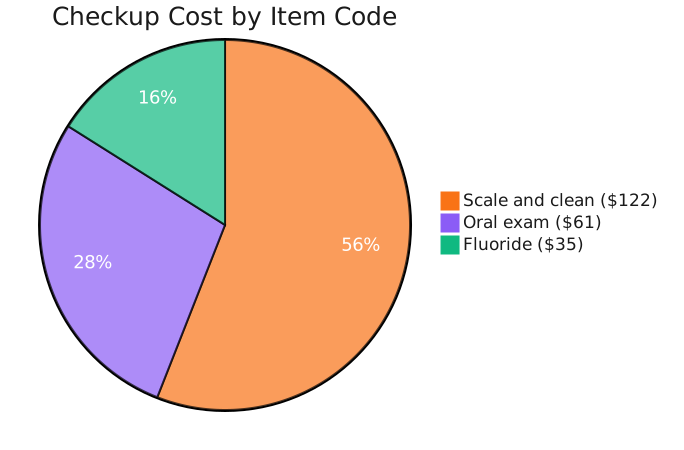
Add a periodic exam (012, $61), a scale and clean (114, $122), and a fluoride treatment (121, $35) together and the combined average bill is $218. That’s not a figure any single organisation publishes as one number. It’s what patients actually pay across a typical three-item visit once you add the pieces up.
Takeaway: the scale and clean carries more than half the cost of a standard check-up visit, so a practice quoting “from $99” for a check-up is usually quoting the exam alone, not the full visit.
Why the Out-of-Pocket Gap Matters More Than the Sticker Price
The average treatment cost isn’t what most insured patients actually pay. Private Healthcare Australia’s data shows insurers cover 68% to 76% of the charged fee on the routine check-up items, which means the out-of-pocket gap is the number that actually lands in a patient’s wallet.
| Item number | Service | Insurer covers | Patient pays out of pocket |
|---|---|---|---|
| 121 | Fluoride treatment | 76% | $9 |
| 012 | Periodic oral examination | 70% | $18 |
| 022 | Small X-ray | 69% | $14 |
| 114 | General scale and clean | 68% | $39 |
| 011 | Comprehensive oral examination | 72% | $19 |
| 013 | Limited oral examination | 62% | $21 |
Source: Private Healthcare Australia, “Typical Prices of Dental Care” consumer factsheet, 2023-24 figures.
Scale and clean has the lowest insurer coverage percentage of the group at 68%, and because it’s also the most expensive item on the list, that combination produces the single biggest out-of-pocket line on a typical visit: $39. A patient with extras cover walking in for a routine exam, clean and fluoride treatment is still likely paying somewhere around $66 out of pocket once all three gaps are added together ($19 + $39 + $9), even with insurance doing most of the heavy lifting on the sticker price.
Takeaway: insurance narrows the gap, it doesn’t close it, and the scale and clean gap is the one patients notice most because it’s the biggest dollar figure on the receipt.
Where the Price Swings Hardest by Region
Item-code averages smooth out geography. They’re national figures. The regional picture looks very different once you compare what a first-time patient actually gets quoted walking into a clinic.
Cleanbill’s analysis of 6,268 dental clinics across the country found a national average of $297 for a first dental visit, with the ACT the most expensive place in Australia to see a new dentist at roughly $364. Queensland sat among the cheapest states, with first-visit pricing averaging around $279, well under the ACT figure and below the national average too.
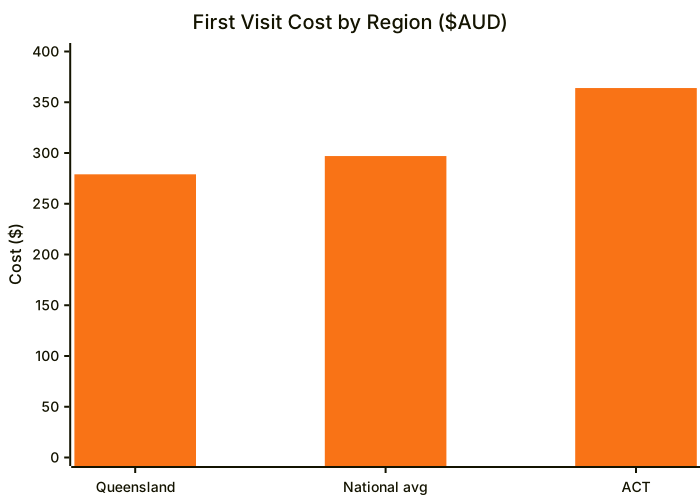
Almost a quarter of the clinics in Cleanbill’s dataset ran a discounted new-patient offer, and the average price of those discounted first visits was $222 nationally, close to the combined $218 figure built from PHA’s item-level averages above. Two completely different data sources, two different methodologies, landing within $4 of each other. That’s a reasonable cross-check that both numbers are in the right ballpark for what a routine visit actually costs once a genuine discount or a straightforward exam-plus-clean bundle is on the table.
Takeaway: a patient shopping on price alone can cut the average first-visit bill by roughly a fifth just by booking a clinic’s new-patient special instead of a standard appointment, and that gap is wider again if they’re comparing Queensland pricing against ACT pricing.
What This Pricing Data Means for Compliance, Not Just Cost
None of this pricing data changes what a dental practice is allowed to say about it. AHPRA’s advertising rules apply to how a clinic markets its check-up fees just as tightly as they apply to cosmetic procedure claims. Our full breakdown of AHPRA’s advertising rules for cosmetic dentistry covers the testimonial ban and the narrower before-and-after imagery exemptions introduced under the September 2025 amendments, rules that apply just as much to a “check-up from $99” landing page as they do to a veneer case study.
A practice advertising a discounted new-patient check-up against the averages in this post needs the fine print to hold up under scrutiny: what the discount excludes, what X-rays or additional items get billed separately, and whether the advertised price is genuinely available to every new patient or only under conditions buried in a disclaimer. That’s the exact kind of claim AHPRA complaints get built on.
Takeaway: pricing transparency and advertising compliance are the same problem wearing two different hats, get one wrong and the other usually follows.
Getting Your Pricing Pages Compliance-Checked
Most dental websites publish a check-up price somewhere on the homepage or a services page, and most of those pages haven’t been reviewed against the current AHPRA advertising rules since the September 2025 amendments landed. RockingWeb checks exactly that: whether your advertised pricing, before-and-after content, and testimonials would survive a regulator review today.
RockingWeb builds cosmetic clinic and dental websites from the current advertising guidelines outward, not bolted on after the fact, whether that’s a solo practice quoting a $218 check-up bundle or a multi-chair clinic running a discounted new-patient campaign. We’re an AHPRA-compliance specialist for Australian cosmetic clinics and dental practices, not a generalist web agency treating compliance as an afterthought.
For practices that want the audit, the compliant pricing pages, and ongoing compliant ad management handled as one service, ClinicPipeline is our audit-and-ads offering built specifically for regulated dental and cosmetic clinics.
Takeaway: the audit costs nothing and takes less time than a single scale and clean appointment. Get your pricing pages checked before a patient complaint does it for you.
Data sources: Private Healthcare Australia, “Typical Prices of Dental Care - Do You Pay Too Much?” consumer factsheet, PHA’s analysis of GT-Dental data collection, 2023-24 figures; Cleanbill’s analysis of 6,268 Australian dental clinics, as reported by SBS News.
RockingWeb builds AHPRA-compliant websites for Australian cosmetic clinics and dental practices. Contact us to discuss a compliant pricing page rebuild.
Vikas Thakur
Founder of RockingWeb. 16 years building for companies like TPG, iiNet and Monadelphous, now focused on websites and marketing that comply with AHPRA's advertising guidelines and still book patients.
![Wisdom Teeth Removal Cost Australia: $491 vs $4,500 [2026]](/assets/cosmetic-clinic-seo-australia-DWhO816X.png)